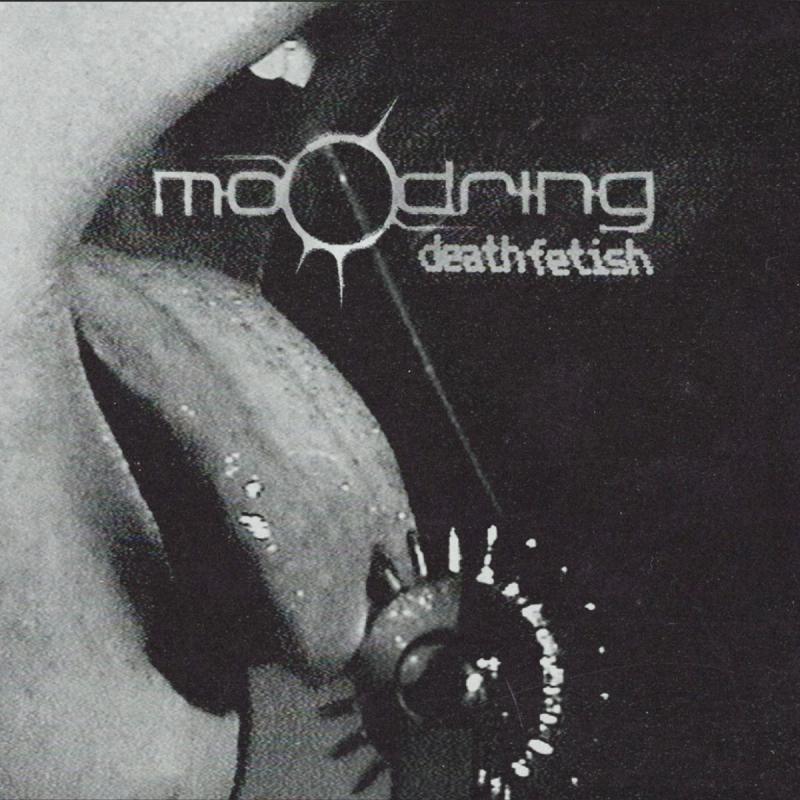
Artist
Moodring
Release Date
March 27, 2026
Label
Sharptone Records
Type
Death Fetish
The world that death fetish builds is one that feels intentionally unsettling from the very first moments, and that sense of unease becomes one of the album’s most powerful and defining strengths. With this record, Moodring lean deeply into atmosphere, emotional intensity and sonic weight, crafting something that feels less like a straightforward alternative metal album and more like a fully immersive psychological environment. The band clearly aren’t interested in playing things safe or chasing easy accessibility. Instead, death fetish exists as a bold and emotionally heavy body of work that embraces discomfort, vulnerability and darkness in equal measure. The result is an album that feels gripping, immersive and at times almost suffocating in its atmosphere, yet those very qualities are what make it so compelling.
From a sonic perspective, the album thrives on layering and texture. Rather than simply relying on heaviness alone, Moodring build their sound through dense, carefully arranged instrumentation that constantly shifts and evolves. The guitars carry an immense presence throughout the record, often soaked in thick distortion and gritty tonal textures that create a wall of sound capable of overwhelming the listener. Yet within that heaviness there is also a surprising sense of restraint. The band show a strong understanding of space, allowing moments of breathing room where the atmosphere can expand and tension can build before crashing back into heavier passages. This push and pull between density and openness gives the album a sense of dynamic movement that prevents it from ever feeling stagnant.
The guitar work itself is one of the album’s most striking elements. The riffs frequently carry a grinding, almost industrial edge that adds a mechanical tension to the music, while other moments lean into more melodic and atmospheric territory that heightens the emotional impact of the record. There’s a deliberate roughness to the tone that gives the album its character, creating a sound that feels raw without ever becoming messy. The guitars feel huge and oppressive at times, but they are never simply there to dominate the mix. Instead, they act as a foundation that supports the broader emotional landscape of the album.
Vocally, the performance throughout death fetish adds another powerful layer to the record’s emotional core. The delivery moves fluidly between melodic vulnerability and intense aggression, capturing a sense of inner conflict that mirrors the darker themes running through the album. Rather than relying solely on sheer power, the vocal approach often feels deeply expressive, carrying a raw emotional weight that pulls the listener further into the music. There are moments where the vocals soar above the instrumentation with haunting clarity, while at other times they feel almost swallowed by the thick layers of sound surrounding them, reinforcing the album’s overall atmosphere of tension and emotional unrest.
Another aspect that makes death fetish stand out is the way Moodring approach pacing. The band demonstrate a strong understanding of how to build tension over time rather than simply delivering constant bursts of aggression. Many moments feel like they are simmering beneath the surface, allowing the emotional pressure to gradually rise before exploding into heavier passages that feel both powerful and earned. This careful balance between restraint and release keeps the album engaging across its entire runtime, giving the music a sense of movement that feels both deliberate and organic.
The rhythm section also plays a significant role in shaping the album’s identity. The drums provide a solid backbone throughout the record, offering a driving force that anchors the more atmospheric elements surrounding them. At times the percussion hits with a sharp, almost punishing intensity that adds to the album’s darker tone, while other moments adopt a more restrained approach that allows the guitars and vocals to take centre stage. The bass work quietly reinforces the weight of the album, filling out the lower end of the mix and giving the overall sound a grounded heaviness that makes every section feel full and impactful.
Production plays an equally crucial role in bringing the album’s vision to life. The mix feels thick and immersive, almost as if the sound is wrapping itself around the listener rather than simply playing in front of them. Every element within the album feels deliberately placed, creating a layered sonic landscape that rewards repeated listens. The low end carries a dense, almost suffocating weight that reinforces the darker atmosphere of the record, while the higher textures add subtle details that enhance the emotional tension running throughout the music.
There’s also a very deliberate aesthetic running through death fetish that ties everything together. The album feels unified by a consistent emotional tone, one that leans heavily into themes of introspection, turmoil and vulnerability. Even when the music becomes aggressive, there is always a sense that the heaviness is rooted in something deeper than simple sonic force. It feels like an album driven by emotional honesty, where every distorted guitar tone and every strained vocal line contributes to a broader narrative of tension and release.
What makes the album particularly compelling is how immersive it becomes when experienced as a whole. Rather than feeling like a collection of separate songs, death fetish unfolds like a continuous emotional journey. The transitions between moods and sonic textures feel natural, giving the album a flow that encourages listeners to experience it from beginning to end. This sense of cohesion strengthens the impact of the record, as each moment builds upon the last to create an atmosphere that becomes increasingly absorbing as the album progresses.
Moodring also demonstrate a clear confidence in their artistic identity throughout the record. While there are certainly elements that connect the album to the broader alternative metal landscape, the band never feel like they are simply following a formula. Instead, they shape those influences into something distinctly their own. Their ability to combine crushing heaviness with atmospheric nuance gives the album a character that feels fresh while still remaining grounded in the genre’s core strengths.
Emotionally, death fetish carries a weight that lingers long after the album has finished. The record doesn’t aim to offer easy resolution or neat conclusions. Instead, it embraces the darker aspects of the human experience, allowing those emotions to exist without attempting to soften them. That honesty is part of what makes the album resonate so strongly. It feels like a record that invites listeners to sit with its atmosphere and absorb the emotional intensity rather than simply consuming it as background noise.
By the time the closing moments arrive, the experience of listening to death fetish feels almost cathartic. The album’s journey through tension, heaviness and vulnerability creates a powerful emotional arc that leaves a lasting impression. It’s a record that rewards patience and repeated listening, revealing new textures and emotional nuances each time it unfolds.
With death fetish, Moodring have delivered an album that feels immersive, emotionally raw and sonically commanding. It stands as a powerful example of how alternative metal can evolve when bands are willing to push beyond simple genre expectations and fully embrace atmosphere, vulnerability and artistic ambition. The result is a record that feels dark, intense and deeply engaging, leaving listeners with an experience that is both haunting and memorable long after the final notes fade.